Staff collect. Clinicians interpret.
Separate assessment collection from report review.
FOR NEUROLOGY PRACTICES
Behavioral performance and brain response, captured together.
FOR NEUROLOGY PRACTICES
Separate assessment collection from report review.
Score changes since the last visit, across up to four appointments.
Structured reports and physician interpretation training.
INSIDE A cfNI REPORT
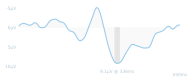
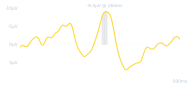
In clinical use since 2022 and shaped by clinician feedback: the look and feel, a full page for every paradigm, and behavioral performance results shown alongside objective ERP measurements.
Actual sample report · No form required
HOW IT WORKS
VoxNeuro trains your staff to run the assessment. cfNI analyzes the data and automatically generates the report for your clinician to review.
Included operator training prepares your team to collect the data.
The software analyzes the recordings and automatically produces a structured report.
Your physicians review results alongside existing clinical data. Interpretation training is included.
Eyes open, still and relaxed while EEG records the brain at rest.
Listens to repeating tones and responds to the occasional different one.
Responds to each standard tone and holds back on the rare different one.
Sees abstract images and marks each one as new or repeated.
Picks the direction of the center arrow and ignores the arrows around it.
A 20–30 minute assessment, run by your staff.
GETTING STARTED
Per-assessment pricing plus a one-time setup and training fee.
Ask our team about minimums and contract terms.
Read the equipment and costs guide →Operator training and physician interpretation training support your team’s workflow.
Read the staffing and training guide →Schedule a 20–30 minute assessment per patient, plus equipment setup and cleanup.
Guidance and support are available. Coverage and payment depend on the service, payer and applicable requirements.
Read the EEG CPT codes billing guide →BASELINE + FOLLOW-UP
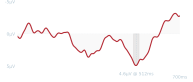
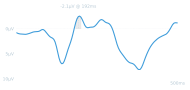
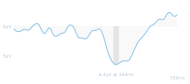
Every cfNI report includes a Tracking Changes page: each ERP score against the age-matched reference range, the change since the previous visit, and the trend across up to four appointments.
View the sample Tracking Changes page ↗FAQ
A report with a full page for each of the five tasks: objective ERP scores (such as the P300, N200 and P300b responses) and behavioral performance results on the same page, compared with age-matched reference data from healthy adults aged 18 to 70.
A qualified clinician in your practice, alongside the patient’s existing clinical information. cfNI does not provide a diagnosis or clinical interpretation.
Yes. Repeat assessments produce a Tracking Changes page that shows how each measure moved between visits, against the same reference range.
Five tasks: resting state, auditory oddball, Go / No-Go, visual memory (CVMT) and the Eriksen flanker task. The flanker task is scored for two responses (N200 and P300b). The assessment takes 20–30 minutes.
No. Compatible EEG hardware is included, and your staff are trained to run the recording. Pricing is per assessment; one-time setup and training fees apply.
Training and implementation can typically begin within two weeks, with all technician and physician training included. Given current demand, we encourage practices to connect with our team early to lock in a start date.
Explore a sample report, then discuss how assessment collection and report review could fit your practice.