
Auditory oddball
Central / Parietal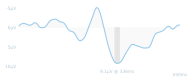
Cognitive Function Neuroimaging (cfNI)
Your team runs a 20–30 minute assessment using FDA-cleared cfNI software. Each score is compared with healthy adults aged 18–70.
A new billable service that fits your workflow. No hardware costs. Training is part of the one-time setup fee.
A new billable service. No hardware costs. Training included.
MRI and CT show anatomy. cfNI adds objective EEG/ERP measures of brain function: a complementary service your referring physicians can order, and you can bill.


INSIDE A cfNI REPORT
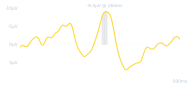
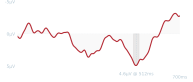
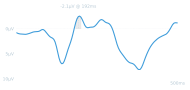
In clinical use since 2022 and shaped by clinician feedback: the look and feel, a full page for every paradigm, and behavioral performance results shown alongside objective ERP measurements.
Eyes open, still and relaxed while EEG records the brain at rest.
Sits quietly and listens to a series of brief sounds through earphones. No response needed.
Keeps eyes on the center of the screen while a checkerboard pattern flips back and forth.
Listens to repeating tones and responds to the occasional different one.
Responds to each standard tone and holds back on the rare different one.
Sees abstract images and marks each one as new or repeated.
Picks the direction of the center arrow and ignores the arrows around it.
A 20–30 minute assessment, run by your staff.
Actual sample report · No form required
HOW IT WORKS
VoxNeuro trains your staff to run the assessment. cfNI analyzes the data and automatically generates the report for your clinician to review.

Included operator training prepares your team to collect the data.
The software analyzes the recordings and automatically produces a structured report.
Your physicians review results alongside existing clinical data. Interpretation training is included.
For TMS clinics
Collect EEG/ERP measurements at baseline and repeat assessments during the care pathway.
VoxNeuro trains staff to collect the data.
Five tasks, with age-matched reference scores.
Per-assessment pricing; setup and training fees apply.
For neurology practices
Behavioral performance and brain response, captured together.
Separate assessment collection from report review.
Score changes since the last visit, across up to four appointments.
Structured reports and physician interpretation training.
For diagnostic imaging centers
A complementary EEG/ERP service for your referring clinicians, with staff-led collection and a structured report.
Train technologists, subject to site requirements.
Identify the qualified clinician who will interpret reports.
Site setup, training and billing guidance.
BASELINE + FOLLOW-UP
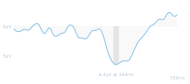
Every cfNI report includes a Tracking Changes page: each ERP score against the age-matched reference range, the change since the previous visit, and the trend across up to four appointments.
View the sample Tracking Changes page ↗GETTING STARTED
Per-assessment pricing plus a one-time setup and training fee.
Ask our team about contract terms.
Read the equipment and costs guide →Operator training and physician interpretation training support your team’s workflow.
Read the staffing and training guide →Schedule a 20–30 minute assessment per patient, plus equipment setup and cleanup.
Guidance and support are available. Coverage and payment depend on the service, payer and applicable requirements.
Read the EEG CPT codes billing guide →
Three questions. Your readiness score in under a minute, no email required.
An operational starting point, not a clinical or financial recommendation.
Your readiness score
OPTIONAL · 30 SECONDS
Three quick questions about your team, room and interpreting clinician. Each answer updates your score and sends you an updated report.
Answer any question to update your score and report.
A quick self-assessment based on your answers. Fit is confirmed with the VoxNeuro team.
cfNI is VoxNeuro’s FDA-cleared software for recording and analyzing EEG, including event-related potentials (ERPs), across five tasks. It compares measurements with a reference database and produces a report for a qualified clinician to interpret. It does not provide a diagnosis or clinical interpretation.
Adults aged 18 to 70. It’s prescription-use software for qualified healthcare professionals.
No. It measures EEG/ERP responses and compares them with a reference database of healthy adults. Your clinician interprets the results alongside their own evaluation.
Cognitive tests capture performance. cfNI adds EEG/ERP measurements of the brain’s response, so behavioral performance and brain response can be reviewed together.
Compatible EEG hardware is included. No equipment purchase is required.
Ask our team to confirm implementation and support availability for your location.
Training and implementation can typically begin within two weeks, with all technician and physician training included. Given current demand, we encourage practices to connect with our team early to lock in a start date.
Yes. VoxNeuro’s cfNI software is FDA-cleared under 510(k) K253015 for prescription use in adults aged 18–70. It provides measurements for a qualified clinician to interpret; it does not provide a diagnosis or clinical interpretation. View the FDA record ↗
VoxNeuro holds ISO 13485:2016 certification for its quality management system, develops cfNI under IEC 62304 (software lifecycle) and ISO 14971 (risk management), and operates in compliance with HIPAA. These are separate from FDA clearance.
See the quality and standards overview ↗ for what each covers and the documentation to request.
Discuss your patient population, team and workflow—and what getting started would involve.
Still exploring? See your readiness score without sharing contact details.
View a sample cfNI report PDF, 14 pages, no form.